St Albans
St Albans grew out of Verulamium, one of the largest towns in Roman Britain, and later took its name from Alban, traditionally held to be the first Christian martyr in Britain, executed nearby. The city that grew up around his shrine is now a compact, well-preserved market town about twenty minutes north of London by train.
Verulamium Park, on the western edge of the city, sits over the old Roman town and still shows a stretch of city wall and the remains of a Roman theatre; the adjoining Verulamium Museum holds mosaics and other finds from the site. St Albans Cathedral, begun in the 11th century using bricks salvaged from the Roman ruins, has the longest nave of any cathedral in England and marks the traditional site of Alban's shrine.
Around the cathedral, St Albans keeps a genuinely medieval street pattern, with a market held on French Row since the 13th century and a cluster of old coaching inns and timber-framed buildings nearby. It's a walkable, low-key base, with easy rail access into London for anyone splitting a trip between the two.
Where to Stay in St Albans
-
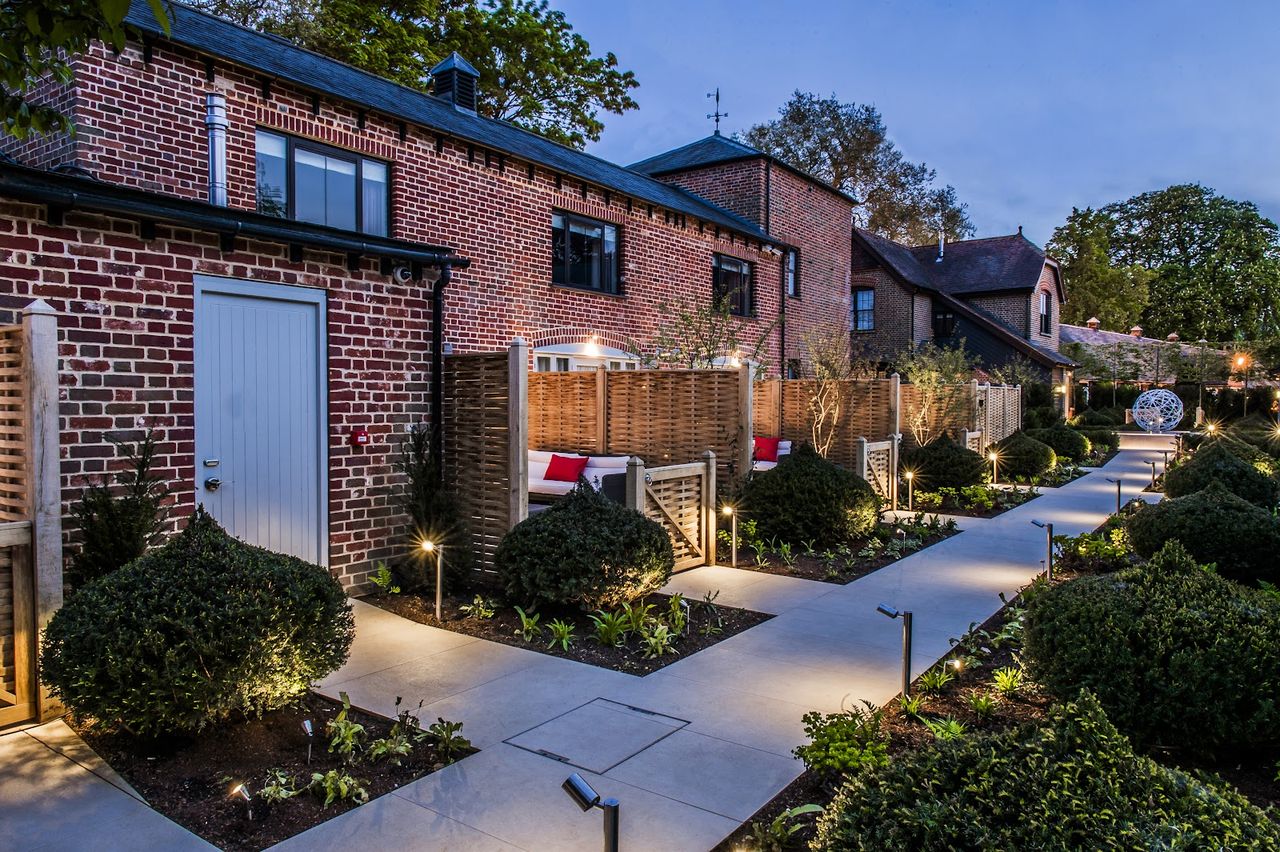 Sopwell House — a Georgian-era country house hotel set in its own grounds on the edge of the city, with a spa and pool.
 -
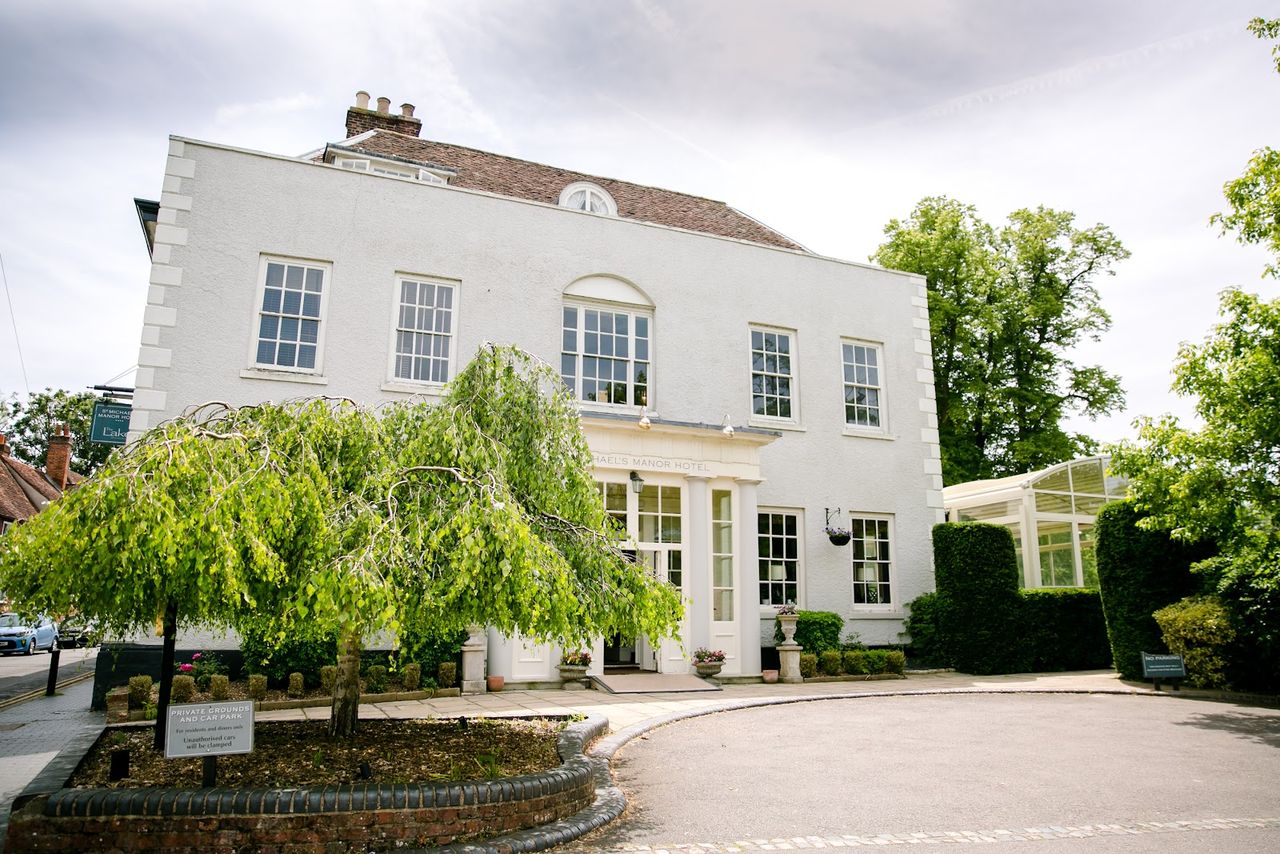 St Michael's Manor — a townhouse hotel a short walk from the cathedral, set in gardens with a lake.
 -
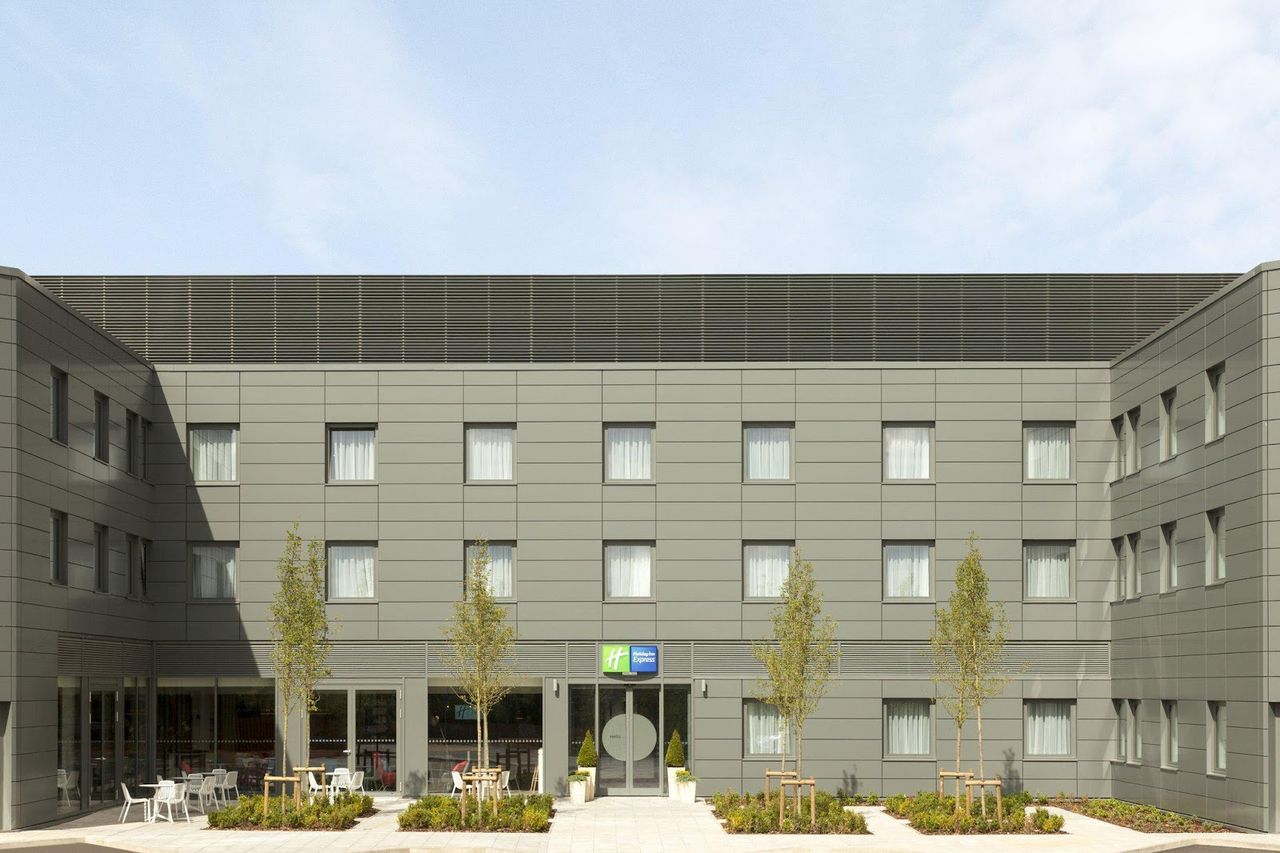 Holiday Inn Express St Albans – M25, Jct.22 — a budget-chain hotel at Colney Fields Shopping Park, right by M25 junction 22.
 - Premier Inn St Albans City Centre — a budget chain option within walking distance of the Abbey and the Alban Arena.
- Mercure St Albans Noke Hotel — a 4-star chain hotel set in its own grounds on the edge of the city.
- Clarion Collection Hotel St Albans City Centre — a 4-star hotel putting the cathedral and market within easy walking distance.
- Aubrey Park Hotel — a hotel with gardens and a gym on Hemel Hempstead Road, on the western edge of the city.
Getting there
St Albans City station has fast, frequent trains into London St Pancras, and the city sits close to the M1 and M25 for anyone arriving by road.